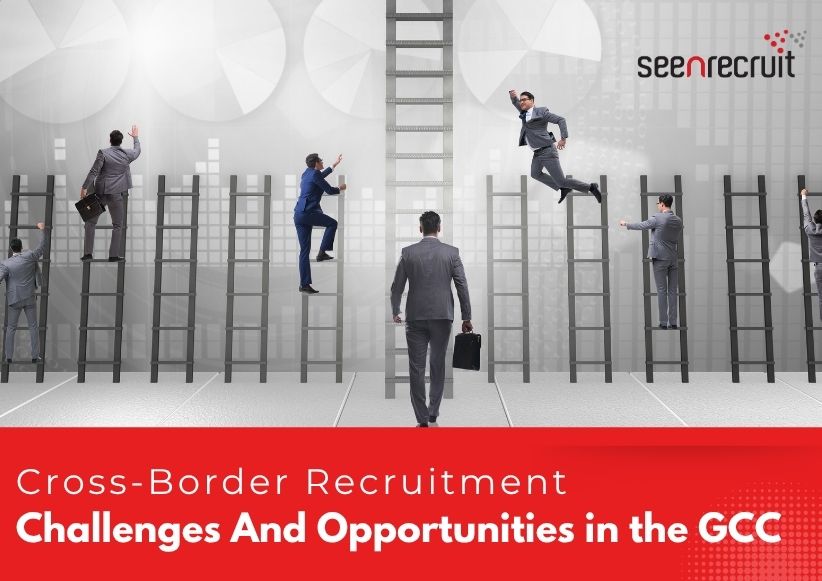


Explore the dynamic world of cross-border recruitment in the GCC! Let’s uncover the key challenges that employers and job seekers face—from cultural differences to regulatory hurdles—while highlighting the vast opportunities in a region that is hungry for global talent. Discover how strategic hiring can unlock growth across borders.
As the Gulf Cooperation Council (GCC) continues its dynamic transformation driven by economic diversification, digitalisation, and Vision 2030 initiatives, cross-border recruitment is emerging as a strategic lever to bridge skill gaps and drive regional growth. With nations like the UAE, Saudi Arabia, Bahrain, Qatar, Kuwait, and Oman accelerating their shift from oil-dependent economies to knowledge-based, digitally powered ecosystems, attracting global talent has never been more critical—or more complex.
Globalisation and regional ambition are rewriting the GCC talent playbook. Today, organisations in sectors such as banking and finance, fintech, real estate, renewable energy, healthcare, and technology are tapping into global talent pools to meet the rising demand for highly specialised roles. Executive search firms are witnessing an increase in mandates that require multinational leadership experience, cultural fluency, and adaptability across multiple markets.
1. Building a Diverse, Global Team: With remote and hybrid work models becoming increasingly mainstream, companies across the GCC now have unprecedented access to a diverse global talent pool, particularly in tech, compliance, AI, and ESG roles.
2. Bridging Skill Gaps in Key Sectors: Cross-border hiring fills the gaps in emerging fields such as:
3. Diverse Workforce, Competitive Advantage: Hiring talent from varied geographies promotes innovation, agility, and resilience—attributes increasingly valued in today’s business environment.
4.Localisationn Strategies and Expats in Leadership: GCC governments are balancinglocalisationn (Saudization, Emiratization, etc.) with the need for expatriate expertise. Cross-border recruitment allowsorganisationss to align talent acquisition with both government mandates and business objectives.
With mega-projects like NEOM (KSA), Expo Legacy (UAE), and Vision 2040 (Oman) gaining momentum, the need for globally competent leaders will only continue to grow. While localisation remains a key policy focus, strategic international hiring will be crucial to sustaining innovation and competitiveness.
Recruiters and employers who embrace borderless thinking, cultural agility, and data-driven hiring will lead the talent game in the coming decade.
The GCC is at the crossroads of growth and globalisation. Cross-border recruitment, when done strategically, unlocks new avenues for sustainable development, talent innovation, and competitive advantage. For companies and recruiters, the future lies in breaking silos, embracing cultural diversity, and hiring beyond borders.